Fixing a Broken Tooth: Your Restorative Dentistry Options
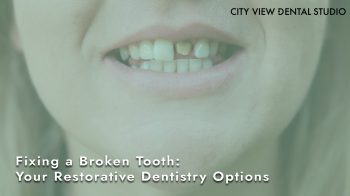 A broken tooth can catch you off guard, whether it happens on a green chile cheeseburger in Old Town or during a weekend bike ride along the Bosque. At City View Dental Studio in Albuquerque, we can help you understand what’s going on, why it matters, and how modern restorative dentistry can repair damage in a way that supports your long-term oral health. “You deserve solutions that protect your smile’s function and comfort, not temporary fixes that leave problems hiding under the surface,” says Dr. Laura Snyder, DDS.
We’ll walk you through the most common reasons teeth break, why timely care matters, and the treatment options that may help you regain strength, appearance, and confidence when you eat and smile.
Common Causes of Broken Teeth
Teeth are naturally strong, but they’re not invincible. While many people assume a broken tooth happens only from a dramatic accident, even small weaknesses can grow under the stress of everyday life. Indeed, daily habits may create just as much strain.
Accidents, Decay, and Wear
A fall, impact, or biting the wrong kernel of popcorn can apply enough sudden force to fracture tooth enamel. Unresolved decay or a large filling can weaken internal tooth structure, making it easier for a piece to chip off during normal chewing. Bruxism, or nighttime clenching, slowly wears enamel until a tooth finally gives way. And in Albuquerque’s dry climate, lower saliva flow may contribute to enamel vulnerability.
If you experience a broken tooth, come see us right away. We’ll evaluate the size, depth, and origin of the fracture to understand what type of restoration your tooth may need.
Why Prompt Treatment Matters
A broken tooth will not heal itself, so it needs support. The inner layers of the tooth may become exposed and sensitive, and the rough edges can irritate surrounding tissue. Even if you’re not in pain, bacteria can travel through cracks and lead to problems that require more extensive treatment later.
Preventing Further Damage and Infection
Restoring a broken tooth early may help you avoid deeper fractures, discomfort, or infection. A damaged tooth also tends to take on more biting force than it can handle. By stabilizing the structure, we protect the remaining enamel, support proper chewing, and help reduce the risk of future complications. Delayed care may limit your treatment choices, so it’s best to get an evaluation as soon as you can.
Your Treatment Options
Your restorative recommendations depend on how much tooth structure remains, where the break occurred, and how your bite functions. At City View Dental Studio, we take a practical approach that blends aesthetics, durability, and biology. We also coordinate care when needed, especially for patients who experience bruxism or other underlying concerns.
-
Dental Bonding & Onlays
Bonding may help repair small chips or minor fractures. A tooth-colored resin is applied, shaped, and polished to blend with the natural enamel. It can be a quick option for cosmetic or shallow damage. Bonding is a conservative option that usually works best for low-stress areas and may require periodic maintenance. It’s often a good choice when you want a fast solution that restores appearance without significant alteration of the natural tooth.
If the fracture is more significant, an onlay may provide broader coverage to protect the affected area and add strength. In some cases, an onlay is the right solution. However, dental crowns are often the ultimate support.
Dental crowns are one of the most versatile and time-tested ways to rebuild a tooth that has lost too much structure to be reinforced with bonding or an onlay. If you’ve cracked a tooth, chipped a molar, or had a cavity progress deeper than you realized, a crown may be the most stable method to restore strength and function. At City View Dental Studio, we recommend crowns when a tooth needs a full-coverage solution designed to reinforce what remains and support long-term oral health.
A crown covers the entire visible portion of the tooth, creating a protective shell that helps you chew comfortably and speak normally. The materials used today offer a combination of durability and appearance that can blend with your natural teeth. Dr. Snyder evaluates the depth of the fracture, the amount of remaining healthy enamel, your bite, and the condition of the surrounding gum tissue before recommending whether a crown is appropriate.
Your crown treatment typically involves preparing the tooth, taking precise digital impressions, and placing a custom restoration that’s shaped to match your natural chewing patterns. You may receive a temporary crown while your final restoration is crafted. A well-fitted crown can help:
- Support a tooth with a large fracture or deep decay
- Protect a tooth after root canal therapy
- Restore proper chewing function and help distribute bite forces
- Improve the appearance of a misshapen or severely worn tooth
-
Implants If Needed
If a tooth cannot be predictably restored, a dental implant may be an option. Implants are designed to function like natural roots, and they support a custom crown restoration. They may help preserve bone structure and maintain chewing efficiency for the long term. We’ll guide you through whether an implant consultation may be appropriate.
Your Role in Protecting Your Restored Tooth
Restorations such as dental crowns are designed to be durable, but your home care habits have an important role to play. A few simple practices that may help support long-term success include:
- Wearing a custom nightguard if you grind or clench
- Using a soft-bristle toothbrush and low-abrasive toothpaste
- Keeping routine checkups so we can monitor the restored tooth
- Avoiding hard foods like ice or unpopped popcorn kernels
Dr. Snyder often reminds patients, “Restorative dentistry is a team effort. We rebuild strength during treatment, and you maintain that strength with consistent habits.”
Schedule Your Restorative Visit In Albuquerque
If you’ve cracked or chipped a tooth, the right care can make a meaningful difference in comfort, function, and long-term oral health. Please call us right away, and we’ll help you understand your options and create a personalized treatment plan. Schedule your visit at City View Dental Studio through our contact page to get started.
Disclaimer: The content of this blog is not intended to be a substitute for professional medical advice, diagnosis, or treatment. Always seek the advice of qualified health providers with questions you may have regarding medical conditions. Your results may vary.

Drs. Laura & Jeff Snyder
City View Dental Studio


 , the image or video has been created in part by artificial intelligence models.